
Exploring How Reliable These Tests Are for Detecting Alcohol
Alcohol testing is often used in various settings to check for alcohol consumption. One common method includes urine tests, which detect alcohol metabolites in the body. The accuracy of these tests is crucial for many reasons, including legal cases and workplace safety. Learning how well these tests work can help individuals and organizations make informed decisions about their use. This article dives into the key factors that influence the reliability of alcohol urine testing.
The Basics of Testing With Urine
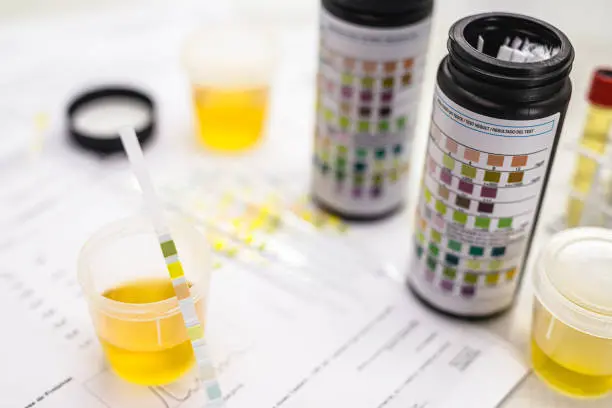
Urine tests are a popular choice because they are non-invasive and easy to administer. They work by detecting ethyl glucuronide (EtG), a metabolite produced when alcohol breaks down in the body. However, it is important to note that detection times can vary based on several factors, such as the individual’s metabolic rate and the amount consumed. While useful, these tests have limitations that must be considered.
How Alcohol Urine Test Works
An alcohol urine test measures the presence of EtG in the urine. Typically, EtG can be detected up to 48 hours after alcohol consumption, but this window can extend to 80 hours in some cases. The sensitivity of urine tests makes them suitable for detecting low levels of alcohol. However, false positives can occur due to exposure to products containing alcohol, such as mouthwash or hand sanitizers.
Accuracy Factors of Alcohol Urine Test
The accuracy of an alcohol urine test depends on various elements. Firstly, the timing of the test relative to when alcohol was last consumed plays a significant role. Secondly, individual differences, like metabolism and hydration levels, can affect results. Lastly, external factors such as dietary choices or medication use might impact the findings. Understanding these aspects helps interpret test outcomes more reliably.
Benefits and Limitations of Urine-Based Testing
Urine-based testing offers several advantages over other methods:
- Non-invasive procedure
- Cost-effective compared to blood tests
- Longer detection window than breath tests
However, these tests also have drawbacks:
- Risk of contamination or dilution
- Potential for false positives
- Limited ability to determine precise time of consumption
Balancing these pros and cons is essential when choosing a testing method.
Addressing Challenges in Alcohol Testing
There are challenges when relying on alcohol urine testing. False positives remain one of the primary concerns due to potential cross-reactivity with other substances. To mitigate this risk, confirmatory testing using alternative methods, such as blood analysis, may be recommended. Ensuring proper sample collection and handling procedures further enhances result accuracy.
Best Practices for Accurate Results
To improve accuracy in alcohol urine testing, consider the following best practices:
- Conduct tests within the optimal detection window
- Avoid exposure to ethanol-containing products before testing
- Ensure controlled sample collection environments
- Use confirmatory testing when necessary
These steps contribute to obtaining reliable and trustworthy results.
Decoding Industry Standards and Regulations
The use of alcohol urine testing is governed by specific standards and regulations to maintain quality control. Regulatory bodies provide guidelines on acceptable cutoff levels for EtG detection, ensuring consistency across different testing scenarios. Adhering to these standards minimizes discrepancies and improves confidence in test outcomes.
Weighing the Costs: Is It Worth It?
The cost-effectiveness of urine-based alcohol testing versus its alternatives is an important consideration. While cheaper and less invasive than blood tests, there might be situations where investing in more accurate methods is justified. Comparing the costs with the potential consequences of inaccurate results aids in making informed choices regarding testing strategies.
Your Path Forward With Reliable Testing Solutions
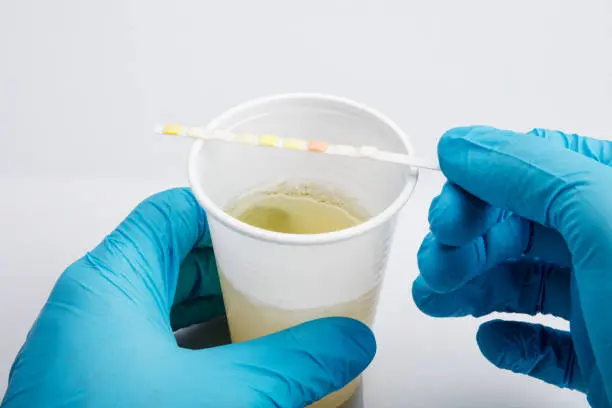
If you want dependable alcohol testing solutions, choose wisely among available options. Based in Baton Rouge, LA, our team at LA South Lab offers comprehensive support tailored to your needs. Contact us today at (225) 289-8041 to learn more about how we can assist with effective alcohol testing strategies, ensuring safety and compliance in your environment.